
Speed Cameras, Parking Rules, and Fines in Armenia and Georgia
Mar 01, 2026
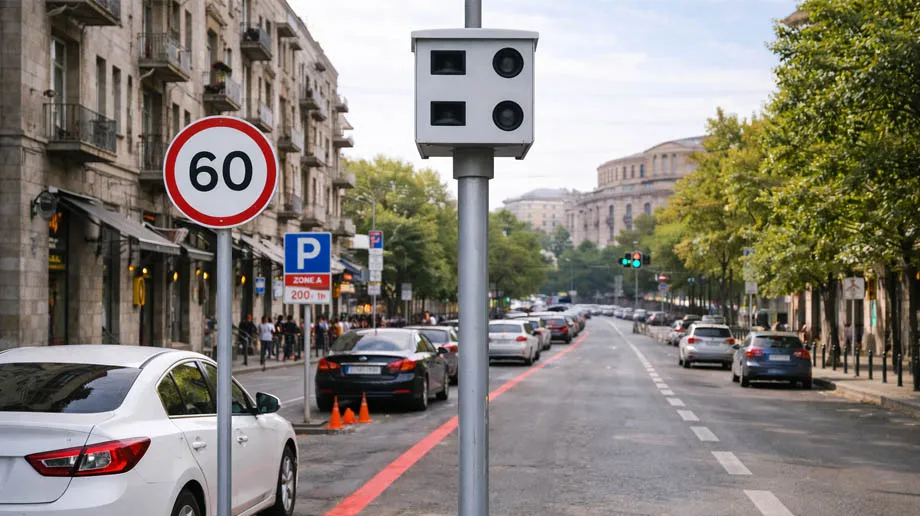
What drivers should know before hitting the road
Driving in the Caucasus gives a real sense of freedom: wide skies, long mountain roads, and cities that spread outward rather than upward. But behind that freedom lies a modern reality - speed cameras, automated fines, and regulated parking systems.
If you’re renting a car in Georgia or Armenia, there’s no need to worry. You simply need to understand how things work. Once you do, driving becomes easy, predictable, and surprisingly relaxed.
Let’s break it down.
Speed Cameras in Georgia: Invisible, Widespread, Unforgiving
Georgia has quietly built one of the most extensive speed-camera networks in the region. You’ll encounter cameras on highways, city arteries, and even on long scenic stretches where the road feels empty and fast.
What you need to know:
- Fixed cameras are common on major roads and city entrances
- Average-speed (point-to-point) cameras operate on some highway sections
- Fines are issued automatically, without police stops or roadside discussions
- Tickets are issued to the registered vehicle owner, meaning rental companies later pass the fine on to the driver
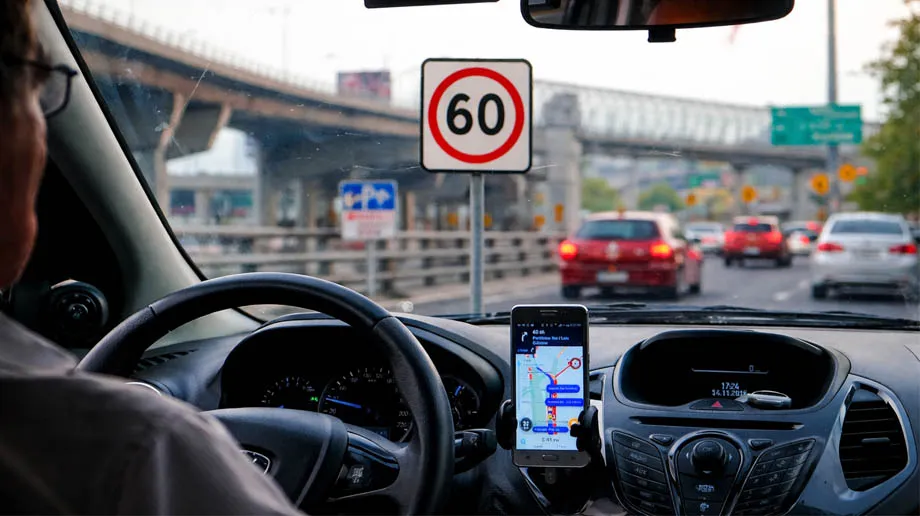
Typical speed limits in Georgia:
- Cities: ~60 km/h
- Rural roads: ~90 km/h
- Highways: ~110 km/h
Once you exceed the limit by more than 40 km/h, fines increase significantly.
Important note: Georgian transport authorities openly state that camera coverage will continue to expand. In practice, this means that if a road looks important, fast, or well-maintained, there is a good chance it is monitored.
Tip: Turn on cruise control, enjoy the scenery, arrive five minutes later - and save yourself €50.
Parking Rules in Georgia
Outside major cities, street parking in Georgia is still largely free. Paid parking zones are concentrated in city centers.
Where paid parking applies:
- Tbilisi
- Batumi
- Kutaisi
In Tbilisi, paid parking is common in busy districts such as Freedom Square, Rustaveli Avenue, Vake, and Avlabari.
How it works:
- Marked parking spaces with zone signs and codes
- Typical rate: 1–2 GEL per hour
- Payment methods:
- SMS
- City parking apps
- Street payment terminals
Failing to pay in a marked zone results in a fine — around 50 GEL in Tbilisi.
One subtle detail: some streets are time-restricted. Parking may be free at night but paid during the day. Always check the signs, even if locals seem to park casually.
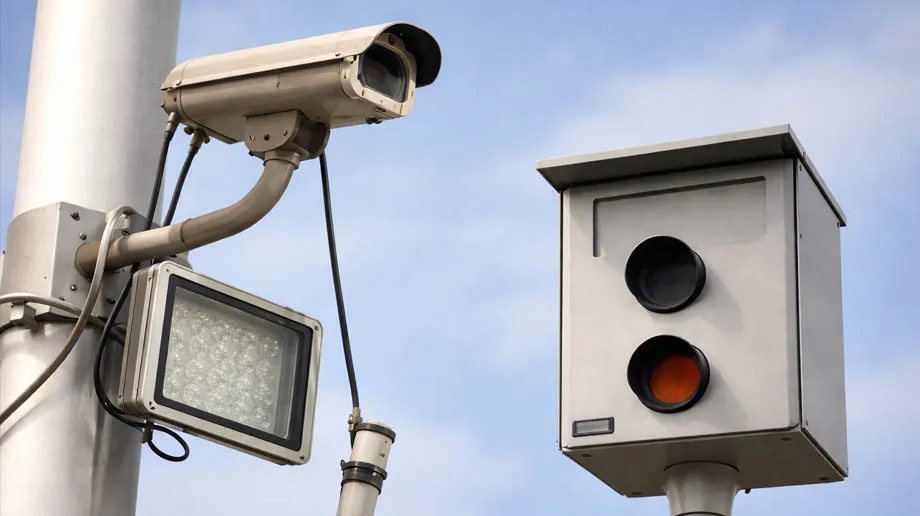
Speed Cameras in Armenia: Just as Automated, Less Obvious
Armenia follows a similar approach: automated enforcement instead of frequent roadside stops.
What this means for drivers:
- Fixed cameras are common on main roads and around Yerevan
- Intercity highways are increasingly monitored
- Tickets are processed centrally and linked to the vehicle
If you’re driving a rental car, violations are usually reported after your trip, via the rental company.
Armenia’s road-safety policy explicitly calls for continued expansion of automated control, especially on high-risk and high-traffic roads. Enforcement is not expected to become lighter over time.
Paid Parking in Yerevan: Regulated and Color-Coded
Yerevan has moved away from informal parking and now operates a citywide regulated system.
How to identify paid zones:
- Red road markings
- Parking signs with zone information
- Central Zone A areas are the most strictly controlled
Payment is cashless only:
- SMS
- Payment terminals
- Partner banks
- Parking apps
No one is allowed to collect cash on the street anymore - anyone claiming otherwise is out of date.
Failure to pay in a marked zone results in an official municipal fine.
Good news: night relief still exists
On many central streets, parking is cheaper or free late at night, usually from midnight until early morning. Always check the signs, but evenings are generally much more forgiving than daytime.
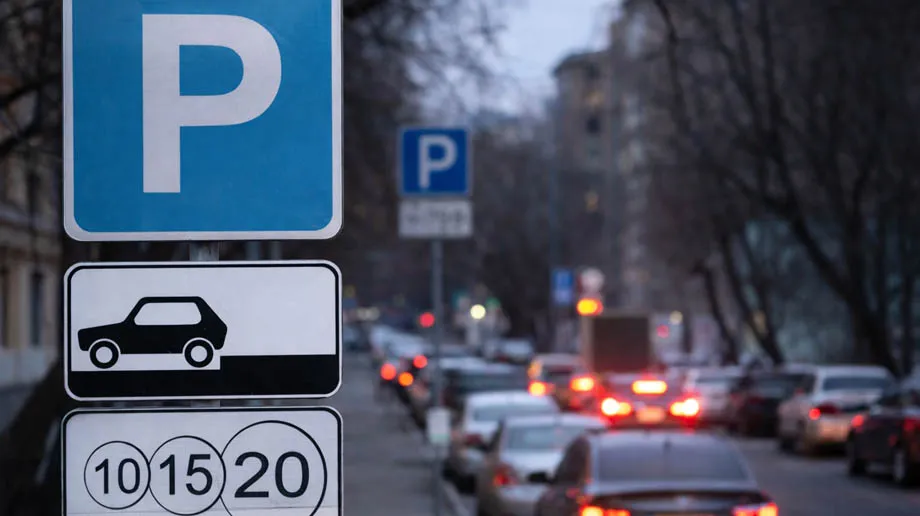
Where Parking Is Easiest in Yerevan
Here’s the practical reality.
Most difficult areas:
The tight city center:
- Northern Avenue
- Republic Square
- Abovyan, Tumanyan, Nalbandyan streets
These areas fill quickly, cost more, and are strictly enforced.
A smarter strategy:
Move just 5-10 minutes on foot outside the red-lined core.
Look for:
- Residential side streets beyond Abovyan and Nalbandyan
- Streets branching off Arami or Demirchyan
- Areas near parks and less central attractions
Parking becomes noticeably easier, cheaper, and calmer - especially in the evenings.
Summary: Expect to pay and search right in the heart of downtown. Step slightly outside the core, and finding legal street parking in Yerevan is usually straightforward.
Final Thoughts
Georgia and Armenia take traffic enforcement seriously - and that’s a good thing. Clear rules, visible systems, and automated fines reduce uncertainty for visitors.
Respect speed limits. Read parking signs. Walk a few extra minutes when needed.
Do that, and driving in the Caucasus becomes exactly what it should be:
open roads, clean mountain air, and complete peace of mind.
And that’s exactly what Swift Car Rental is here for.